Is Your Garage Door Opener Up to Federal Safety Standards?
Ensuring that your garage door opener meets federal safety standards is crucial for the safety of your home and family. Many homeowners may not be aware of the specific regulations that govern garage door openers, which can lead to potential hazards. This article will explore the federal safety standards applicable to garage door openers, including the significance of compliance and the consequences of non-compliance. We will also discuss the auto reverse law and safety sensors, the importance of regular inspections and maintenance, and the installation services available to ensure your garage door opener is compliant. By understanding these aspects, you can make informed decisions about your garage door opener’s safety and functionality.
Understanding Federal Safety Standards
Federal safety standards for garage door openers are designed to protect users from potential accidents and injuries. The primary regulation governing these devices is 16 CFR 1211, which outlines specific requirements for the design and performance of garage door openers. Compliance with these standards is essential, as it ensures that the opener operates safely and effectively, minimizing the risk of accidents. Failure to comply with these regulations can result in serious consequences, including injuries and legal liabilities.
Overview of 16 CFR 1211
16 CFR 1211 establishes safety requirements for garage door openers, focusing on features that prevent accidents. These include the auto reverse mechanism, which automatically reverses the door if an obstruction is detected, and safety sensors that detect objects in the door’s path. Understanding these features is vital for ensuring that your garage door opener is compliant with federal regulations.
Importance of Compliance
Compliance with federal safety standards is not just a legal obligation; it is also a critical aspect of home safety. A compliant garage door opener reduces the risk of accidents, such as injuries caused by a closing door. Homeowners should regularly check their garage door openers to ensure they meet these standards, as non-compliance can lead to serious safety hazards.
Consequences of Non-Compliance
The consequences of using a non-compliant garage door opener can be severe. In addition to the risk of injury, homeowners may face legal repercussions if an accident occurs due to a faulty opener. Insurance companies may also deny claims related to accidents caused by non-compliant equipment, leaving homeowners financially responsible for damages.
Understanding the Auto Reverse Law and Safety Sensors
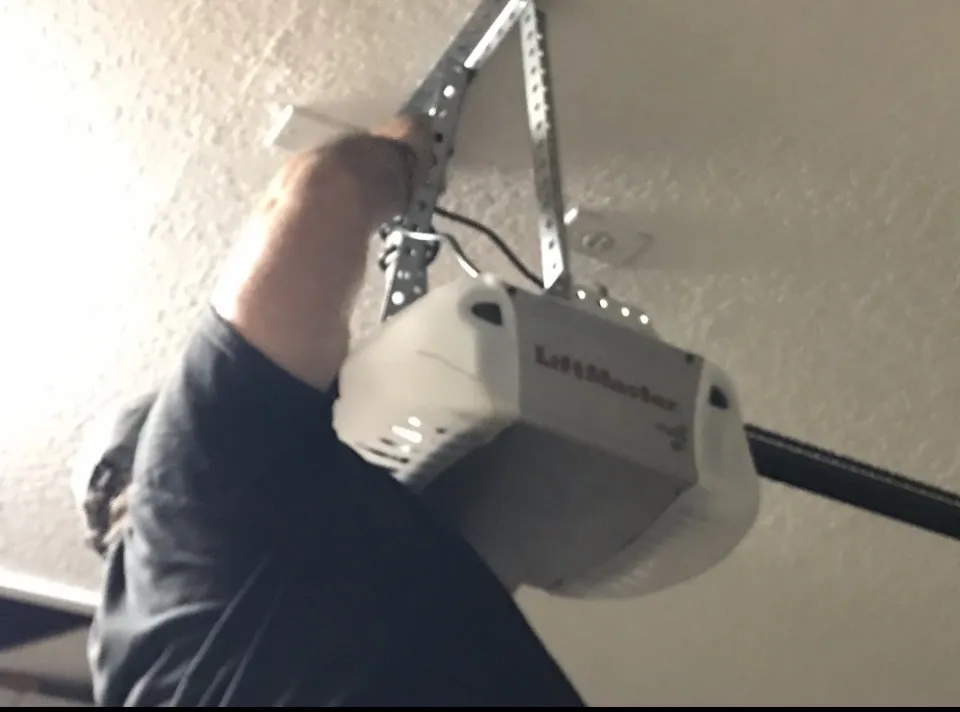
The auto reverse law is a critical component of garage door safety, ensuring that doors do not close on people or objects. This law mandates that all garage door openers manufactured after January 1, 1993, must include an auto reverse feature. Safety sensors play a vital role in this mechanism, detecting obstacles in the door’s path and triggering the reverse action.
Function of Auto Reverse Mechanisms
Auto reverse mechanisms are designed to enhance safety by preventing the door from closing on objects or individuals. When the sensors detect an obstruction, the opener automatically reverses the door’s direction, preventing potential injuries. This feature is essential for households with children or pets, as it significantly reduces the risk of accidents.
How Safety Sensors Work
Safety sensors are typically installed on either side of the garage door, emitting an invisible beam. If this beam is interrupted by an object, the sensors signal the opener to reverse the door’s movement. Regular maintenance of these sensors is crucial to ensure they function correctly, as misalignment or dirt can impair their effectiveness.
Legal Requirements for Installation
Installing garage door openers with auto reverse mechanisms and safety sensors is not just a best practice; it is a legal requirement for compliance with federal safety standards since 1993. Homeowners should ensure that any new garage door opener they purchase meets these requirements to avoid potential safety hazards.
Inspection and Maintenance for Compliance
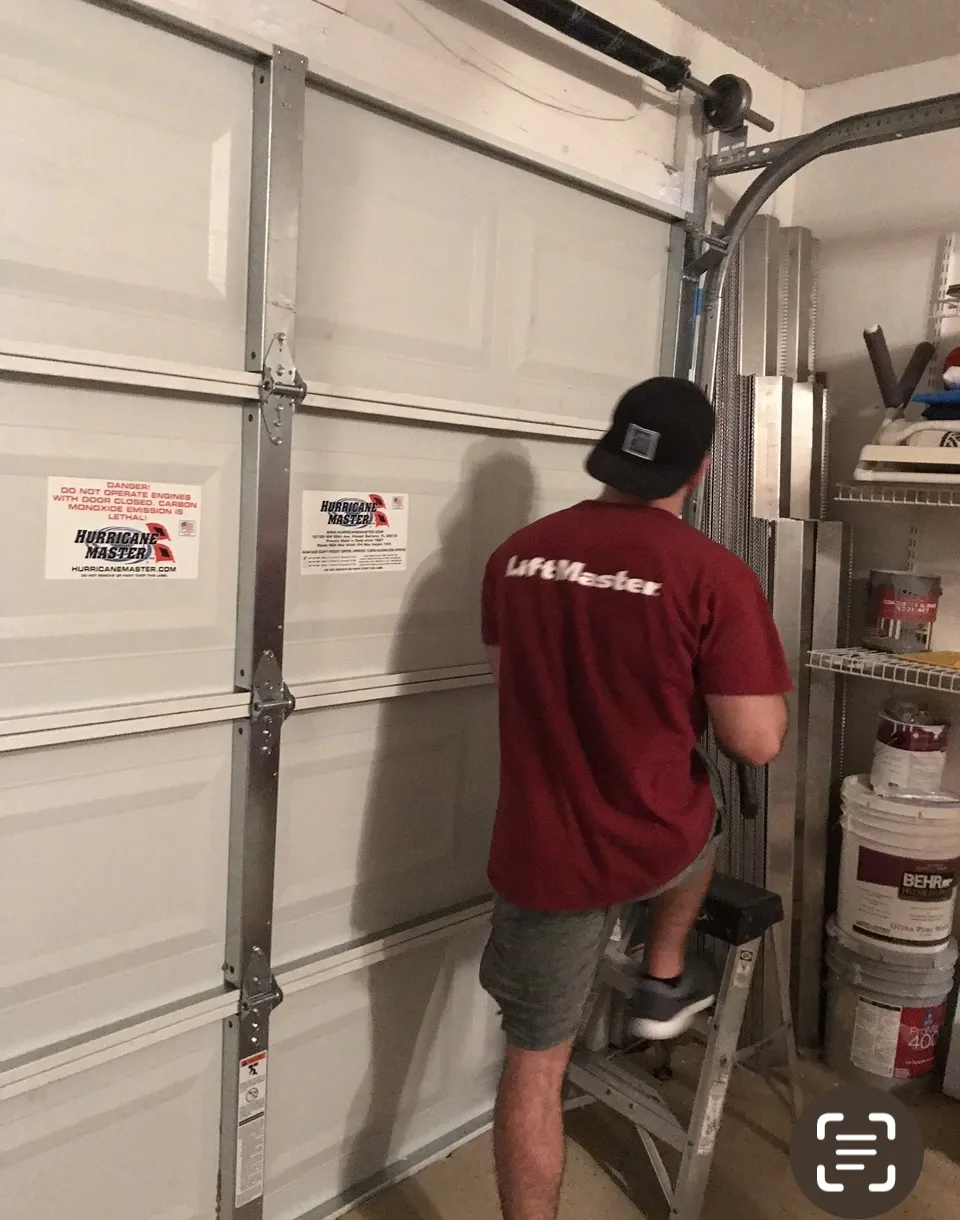
Regular inspections and maintenance of garage door openers are essential for ensuring compliance with federal safety standards. Homeowners should schedule routine checks to assess the functionality of safety features and make necessary repairs.
Frequency of Inspections
It is recommended that homeowners inspect their garage door openers at least once a year. During these inspections, they should check the auto reverse mechanism and safety sensors to ensure they are functioning correctly. Regular maintenance can help identify potential issues before they become serious problems.
Checklist for Compliance
- Check Safety Sensors: Ensure sensors are aligned and free of obstructions.
- Test Auto Reverse Feature: Manually test the auto reverse mechanism to confirm it activates when an object is detected.
- Inspect Cables and Springs: Look for signs of wear or damage that could affect the door’s operation.
Benefits of Professional Maintenance
Booking professional maintenance services can provide peace of mind, ensuring that your garage door opener is compliant with federal safety standards. Professionals can conduct thorough inspections and perform necessary repairs, helping to prevent accidents and extend the lifespan of your opener.
Installation Services and Upgrades
When it comes to garage door openers, installation services and upgrades are essential for ensuring compliance with safety standards. Homeowners should consider the types of garage door openers available and the installation process to ensure they choose the right option for their needs.
Types of Garage Door Openers Available
There are several types of garage door openers available, including chain drive, belt drive, and screw drive models. Each type has its advantages and disadvantages, and homeowners should choose one that best fits their needs and budget. For instance, belt drive openers are known for their quiet operation, while chain drive models are typically more affordable.
Installation Process Overview
The installation process for garage door openers typically involves mounting the opener, connecting it to the door, and ensuring that all safety features are properly installed and functional. Homeowners should hire a professional for installation to ensure compliance with federal safety standards and proper operation.
Upgrades for Older Models
Homeowners with older garage door openers may consider upgrading to newer models that meet current safety standards. Upgrading can enhance safety features, improve functionality, and provide peace of mind knowing that the opener complies with federal regulations.
Local Regulations and Service Areas
In addition to federal safety standards, homeowners should be aware of local regulations that may apply to garage door openers. These regulations can vary by region and may impose additional requirements for compliance.
Local Compliance Requirements
Local regulations may include specific requirements for the installation and operation of garage door openers. Homeowners should consult with local authorities or service providers to ensure they are aware of any additional compliance obligations.
Service Area Details
Residential Garage Door Service specializes in providing garage door installation, maintenance, and repair services within Palm Beach County, Martin County, and Port St. Lucie, Florida. The company aligns its offerings with federal safety standards, particularly emphasizing compliance with garage door opener regulations such as 16 CFR 1211 and the auto reverse law.
Contact Information for Local Services
For homeowners seeking assistance with garage door opener compliance, contacting a local service provider is essential. Residential Garage Door Service can provide expert guidance and services to ensure your garage door opener meets all necessary safety standards.